
Why Shooting in RAW Can Transform Your Photography
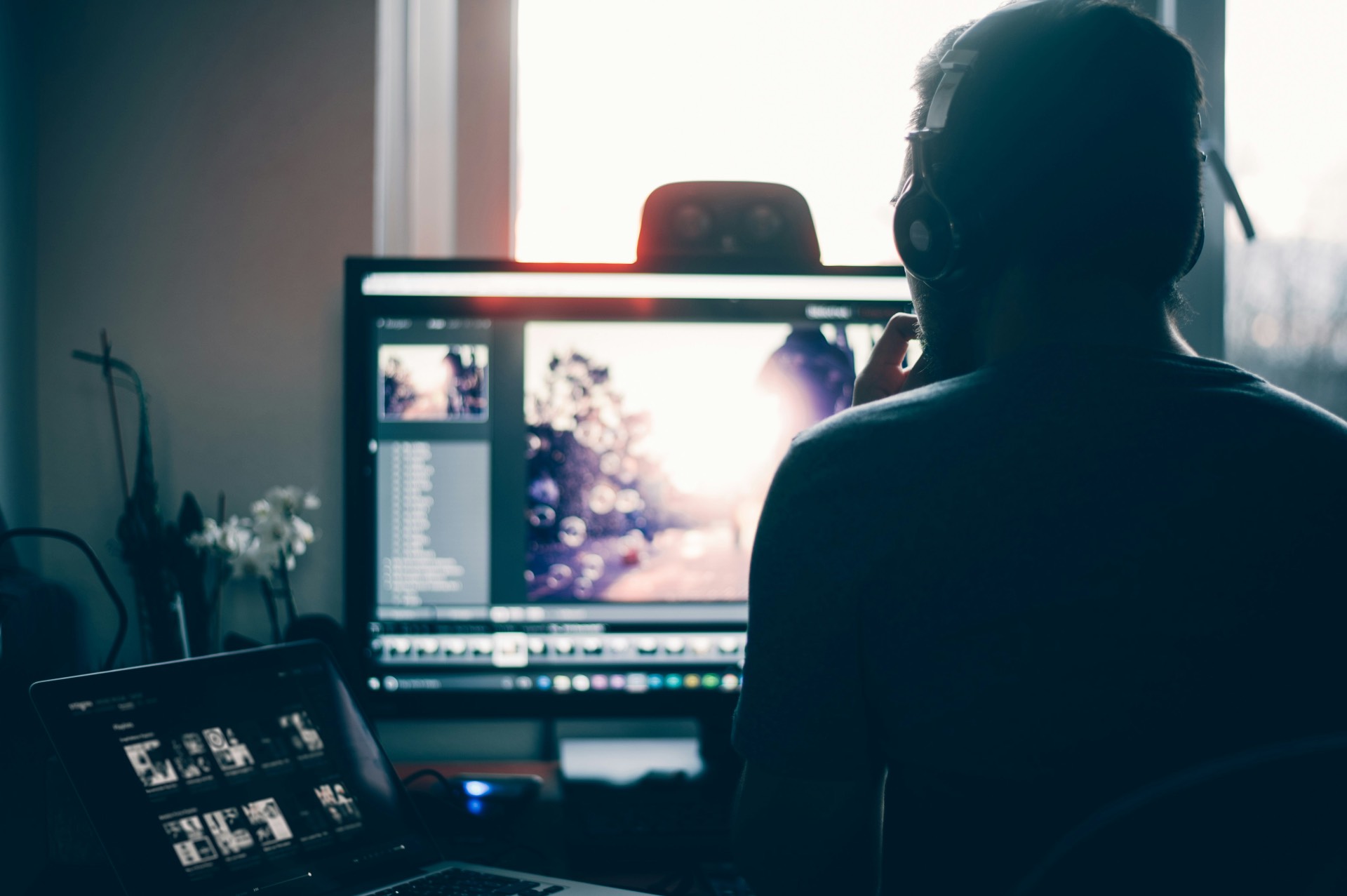
We talk about how RAW can transform your photography workflow
Introduction
If you’ve explored your camera settings beyond the basics, you’ve almost certainly come across the option to shoot in RAW instead of JPEG. At first glance, JPEG often feels like the obvious choice—it’s smaller, faster, and ready to share instantly. But beneath that convenience lies a trade-off that many photographers don’t fully appreciate until later in their journey.
RAW isn’t just a different file type; it’s a fundamentally different way of working. It gives you control over your images at a level that JPEG simply cannot match. Whether you’re correcting exposure mistakes, refining colour, or preparing images for professional use, RAW provides a safety net and creative toolkit that can dramatically elevate your results.
In this article, we’ll explore in detail why shooting in RAW is considered the gold standard for photographers who want the highest possible quality and control.
What Is a RAW File?
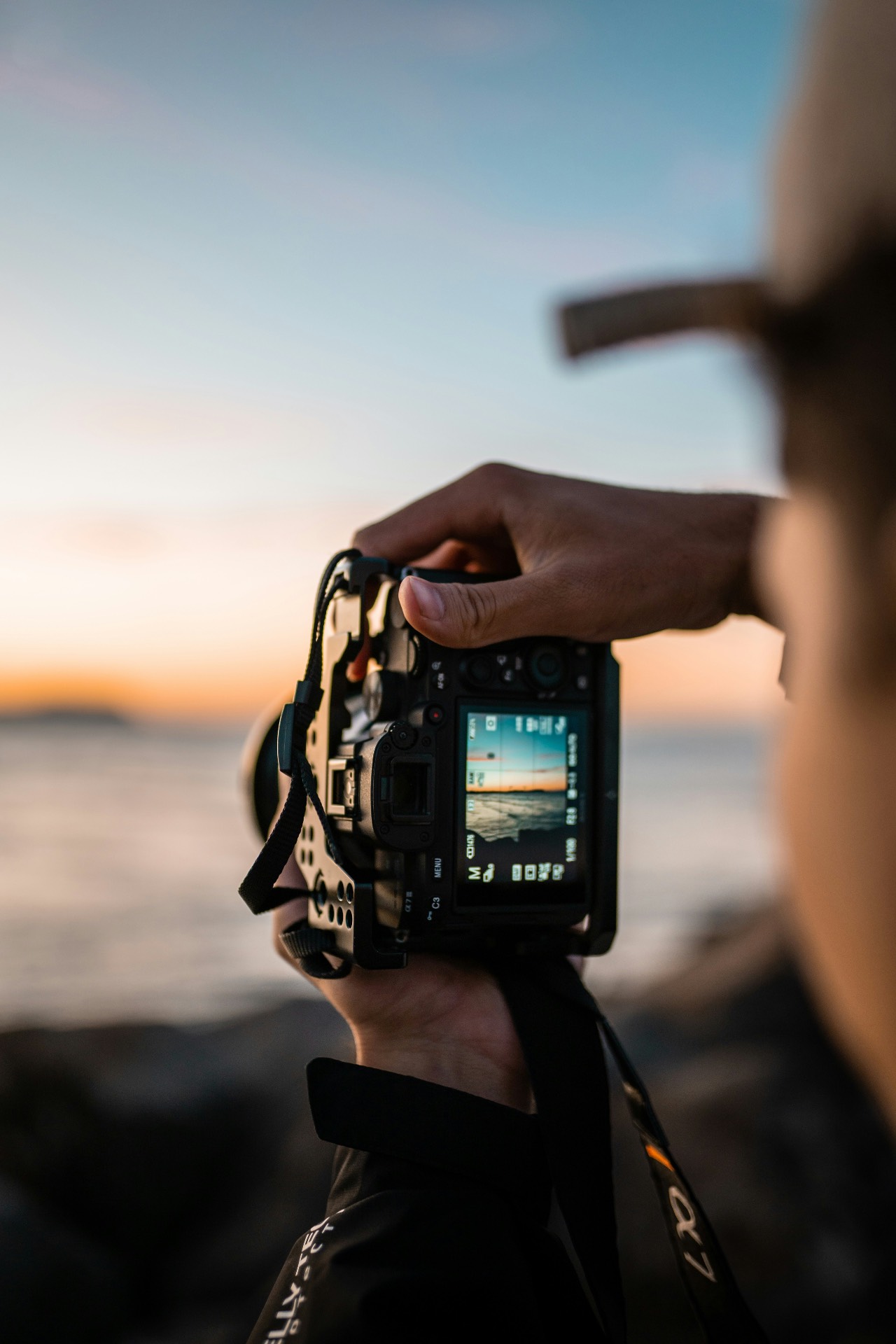
At its core, a RAW file is the pure, unprocessed data captured by your camera’s sensor at the moment you press the shutter. Unlike JPEG files, which are processed in-camera with sharpening, contrast, colour adjustments, and compression applied automatically, RAW files remain untouched.
This means there is no baked-in white balance, no irreversible sharpening or noise reduction, and no lossy compression removing data.
You can think of RAW as a digital negative. Just as film negatives required development in a darkroom, RAW files are designed to be “developed” using software such as Adobe Lightroom or Capture One.
The key advantage here is simple: you make the decisions, not the camera.
Greater Dynamic Range
Dynamic range refers to the amount of detail your camera can capture between the darkest and brightest parts of a scene. Real-world scenes, especially outdoors, often exceed what a camera can perfectly expose in a single shot.
RAW files preserve significantly more of this range than JPEGs.
In practical terms, this means you have far more room to recover bright highlights, lift shadows, and create a more balanced final image. A bright sky that looks blown out in a JPEG may still contain recoverable detail in a RAW file. Likewise, darker foreground areas can often be brightened without breaking apart into ugly noise and loss of detail.
For example, imagine photographing a sunset. A JPEG might force you to choose between exposing for the sky and losing foreground detail, or exposing for the foreground and blowing out the sky. With RAW, you can often recover both to create a more natural and pleasing final image.
This flexibility is one of the biggest reasons landscape and architectural photographers rely so heavily on RAW.
Superior Editing Flexibility
Editing is where RAW truly separates itself from JPEG.
Because RAW files retain far more data, they allow for substantial adjustments without degrading the image. You’re not simply tweaking a finished photo. You’re shaping the image from its original captured state.
One of the biggest advantages is white balance control. If you accidentally shoot under the wrong setting, you can correct it later with remarkable precision. With JPEG, large white balance corrections can quickly damage colours and produce unnatural results. With RAW, these changes are handled much more gracefully.
Exposure adjustments are also far more forgiving. If a shot is slightly underexposed, you can often brighten it significantly while retaining good detail. Highlights and shadows can be adjusted independently, giving you a level of tonal control that JPEG simply cannot offer.
RAW also shines when it comes to colour grading. If you want to create a consistent visual style across a set of images, or refine colours to suit your own taste, RAW files give you much more subtlety and accuracy to work with.
With JPEG, heavy adjustments often introduce banding, artefacts, and unpleasant colour shifts. RAW gives you much more room to work without the image falling apart.
Higher Bit Depth and Colour Accuracy
One of the less obvious but critically important advantages of RAW is bit depth.
JPEG files are typically 8-bit, while RAW files are often 12-bit or 14-bit. In simple terms, that means RAW files can store vastly more colour and tonal information.
This increased information results in smoother gradients, more natural transitions between tones, and more accurate colour reproduction. It is especially valuable in areas such as skies, backgrounds, skin tones, and softly lit scenes where subtle colour changes matter.
If you’ve ever edited a JPEG and noticed ugly banding in a sky or posterisation in smooth tones, limited bit depth is often the reason. RAW greatly reduces that problem and gives you much more flexibility during editing.
Portrait photographers, in particular, often appreciate RAW for the way it handles skin tones. Subtle variations in colour and tone are preserved far better, which can make a significant difference in the final result.
Non-Destructive Editing Workflow
When working with RAW files, your edits are typically non-destructive. This means the original image data is never altered.
Instead, editing software stores your adjustments as instructions. You can change those instructions, refine them, or remove them entirely at any point.
This provides several important advantages. You can revisit an image months later and completely re-edit it from scratch. You can create multiple versions of the same file, perhaps one in colour and one in black and white, without duplicating the original capture. Most importantly, your original data remains preserved.
This is one of the most reassuring parts of working with RAW. You are free to experiment without fear of ruining the original image.
Sharper, Cleaner Results
Because RAW files retain all the data your camera captured, sharpening and noise reduction can be applied more effectively during post-processing.
This often leads to cleaner images at higher ISO settings, better preservation of fine detail, and more natural-looking sharpening overall.
By contrast, JPEG files already have a level of sharpening and noise reduction applied in-camera. Those decisions are made automatically based on your camera settings and processing engine. Once baked in, they can be difficult or impossible to undo cleanly.
With RAW, you stay in control of how much sharpening is appropriate and how aggressively noise reduction should be handled. This is especially useful when working with wildlife, low-light photography, indoor events, or any scene where detail matters.
Better for Printing and Professional Output
If you plan to print your images or deliver them to clients, RAW offers very clear advantages.
Print work benefits from maximum detail retention, accurate colour reproduction, and smooth tonal transitions. Small flaws that might go unnoticed on a phone screen can become much more obvious in print, especially at larger sizes. RAW gives you the best possible starting point for producing high-quality final output.
Professional photographers rely on RAW not just for quality, but for consistency. When editing a set of images from the same shoot, RAW files allow for more precise matching of exposure, colour, and tone. That consistency is essential in client work, portfolio presentation, magazine publication, and exhibition printing.
Even for enthusiasts, if you care about getting the best possible final version of your image, RAW makes a strong case for itself.
A Safety Net for Imperfect Shots
Even experienced photographers do not get every shot perfectly exposed or perfectly balanced in-camera. Conditions change quickly, subjects move, and light can be unpredictable.
RAW acts as a valuable safety net. It gives you room to correct slight exposure errors, adjust inaccurate white balance, and handle difficult lighting situations more effectively than JPEG allows.
Of course, it is always best to aim for the strongest possible image in-camera. RAW is not a substitute for good technique. But it does provide reassurance that small mistakes do not have to ruin an otherwise excellent photograph.
This can be especially important for weddings, travel, documentary work, and once-in-a-lifetime moments where there may be no chance to repeat the shot.
When JPEG Still Has Its Place
Despite all the advantages of RAW, JPEG is not without value.
There are situations where JPEG still makes a great deal of sense. If you need very fast turnaround, such as live events or press-style delivery, JPEG’s ready-to-use format can be extremely convenient. Its smaller file sizes also make it easier to store and transfer, especially when shooting in very high volumes.
For casual photography, family snapshots, or situations where you know you will not be editing heavily, JPEG can be perfectly adequate.
Some photographers choose to shoot RAW and JPEG together. This gives them the immediate convenience of JPEG for quick sharing, while still preserving the flexibility of RAW for important images that may need more careful editing later.
Conclusion
Switching to RAW is one of the most impactful decisions you can make as a photographer. It opens up a level of creative and technical control that simply is not possible with JPEG.
From expanded dynamic range and superior editing flexibility to higher colour accuracy and a non-destructive workflow, RAW empowers you to get the absolute best from every image you capture.
While it does require a slightly more involved workflow and more storage space, the benefits far outweigh the extra effort for anyone who wants to improve their photography.
Once you experience the freedom and quality that RAW provides, it quickly becomes very difficult to go back.